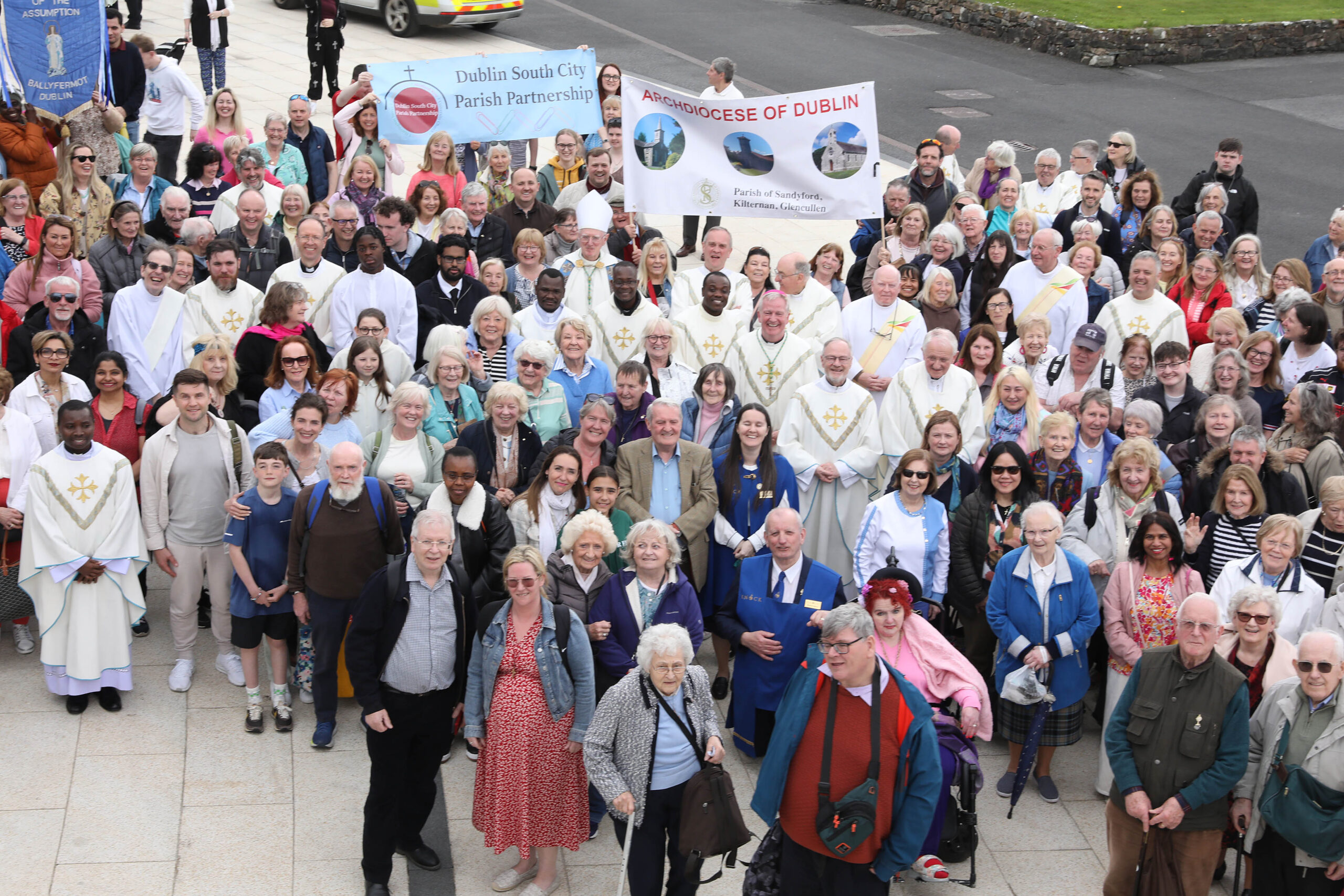
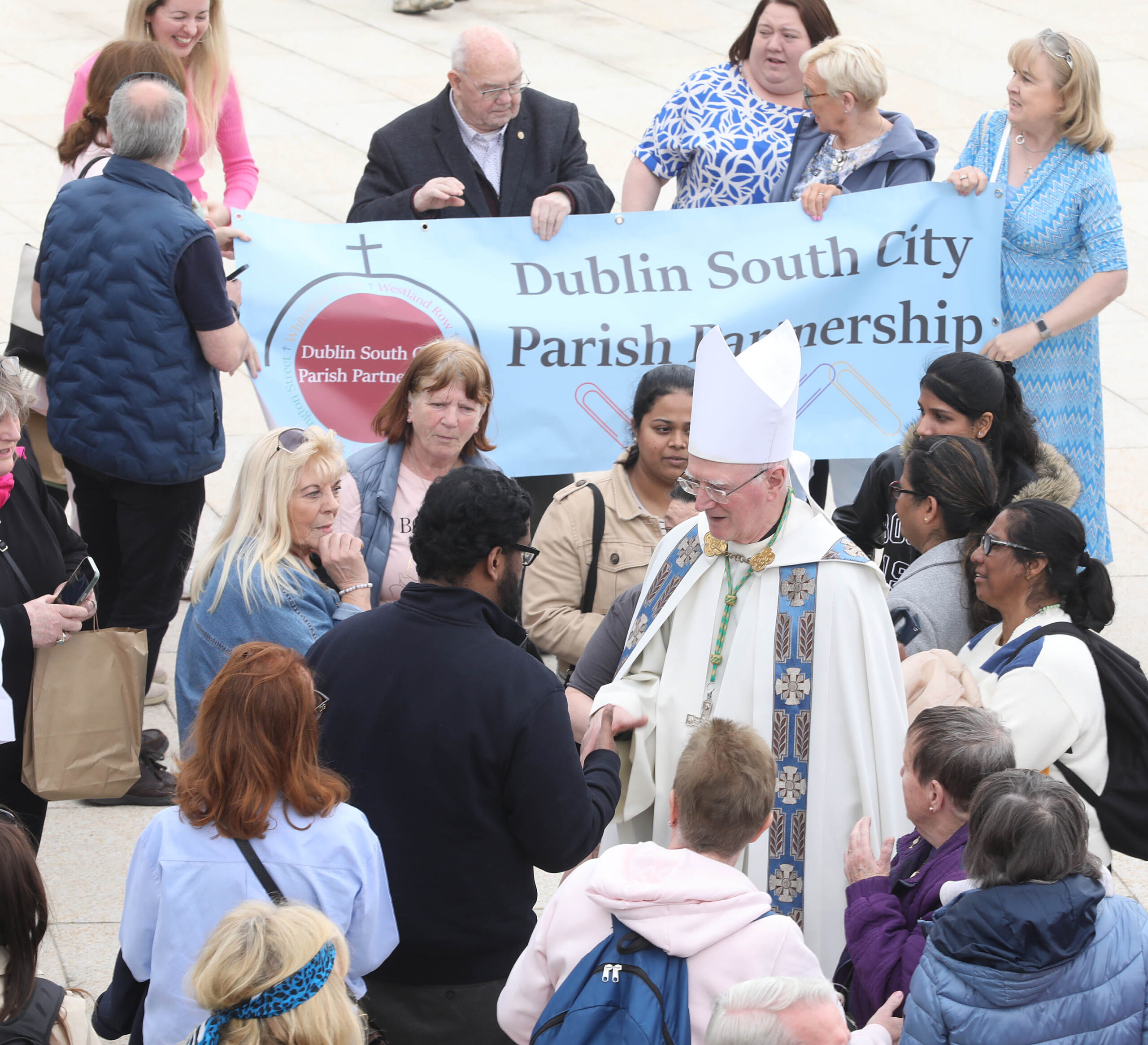
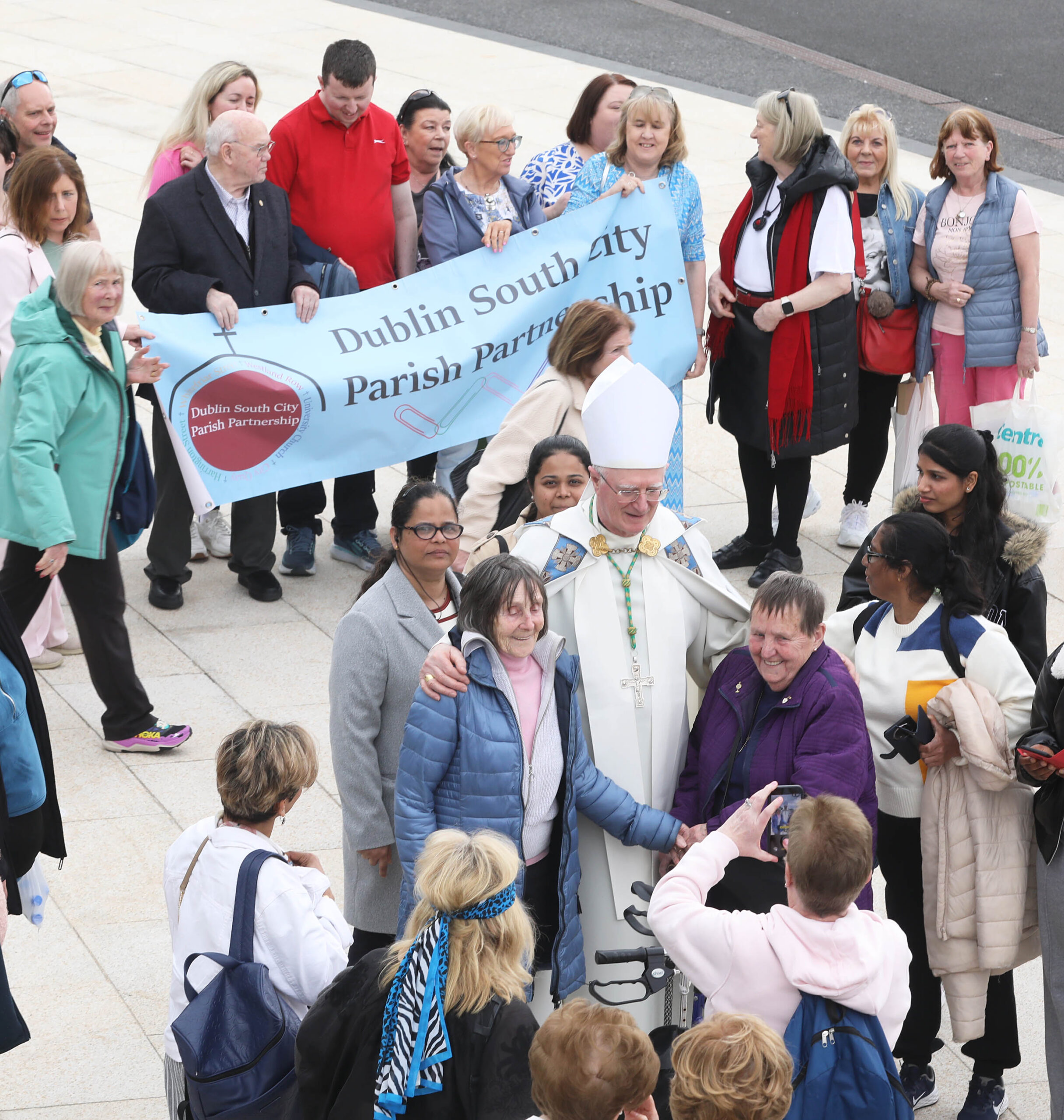
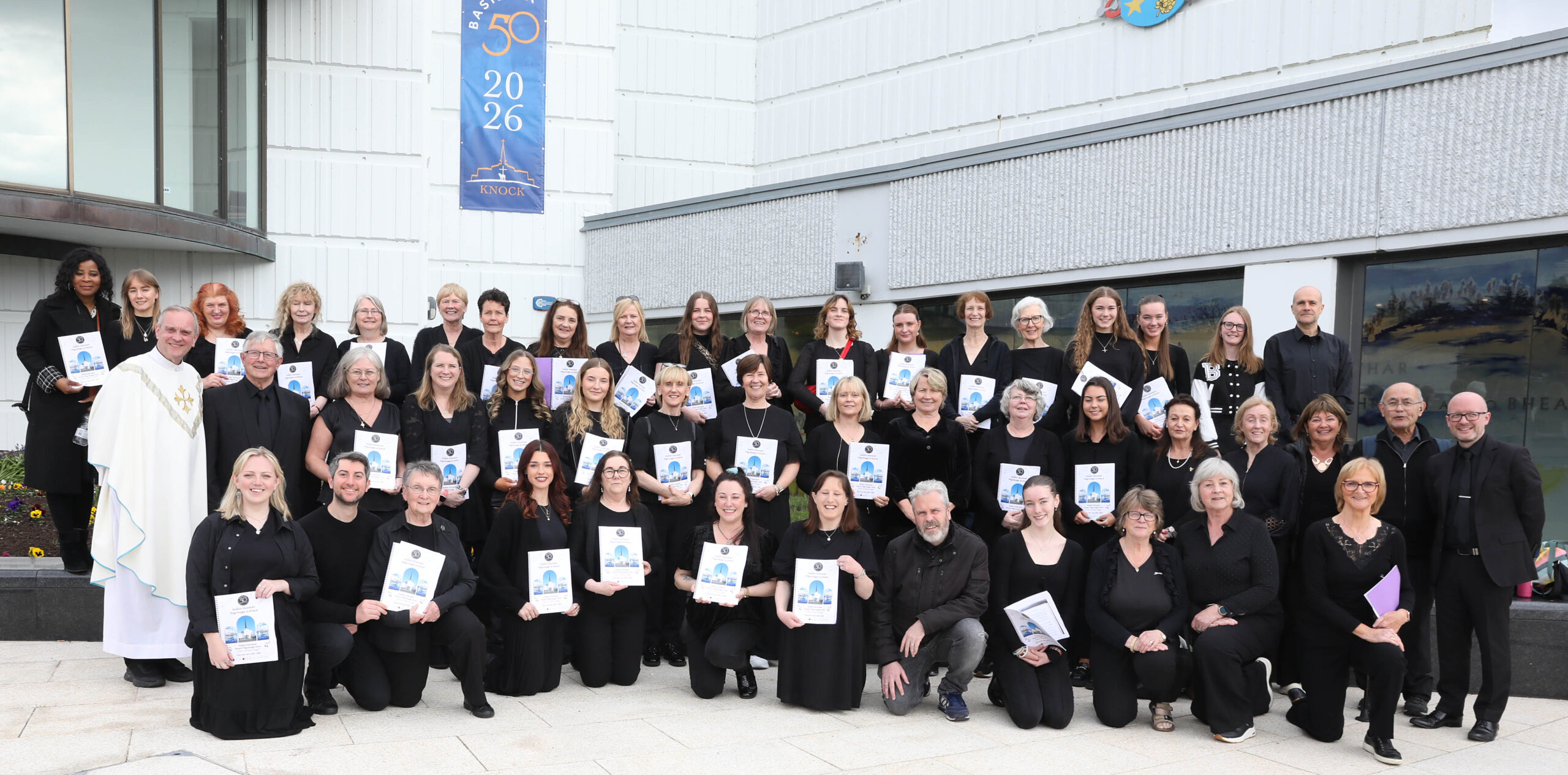
Dublin Diocesan Pilgrimage to Knock
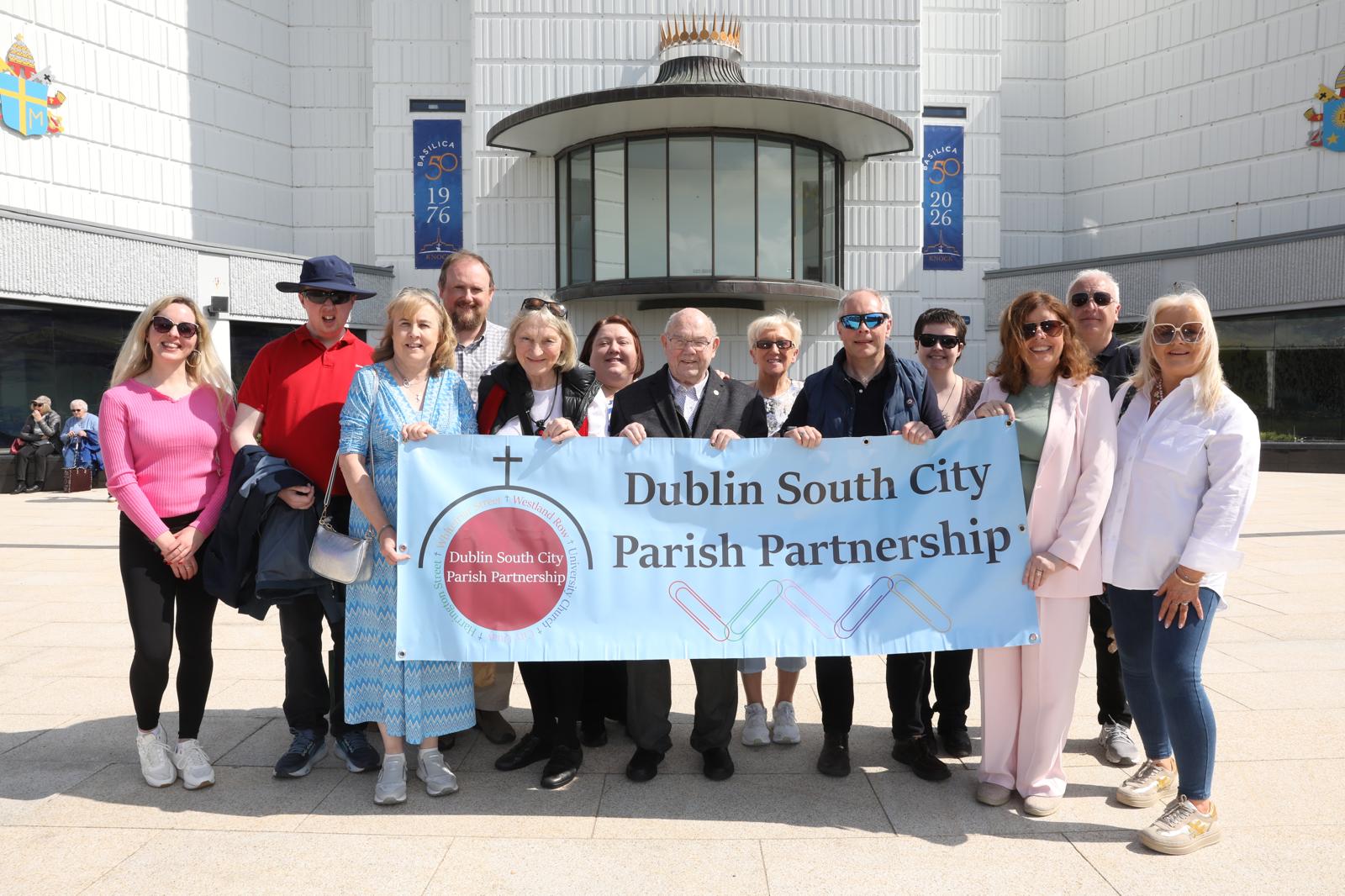
Feast of St Mark, Saturday, April 25, 2026
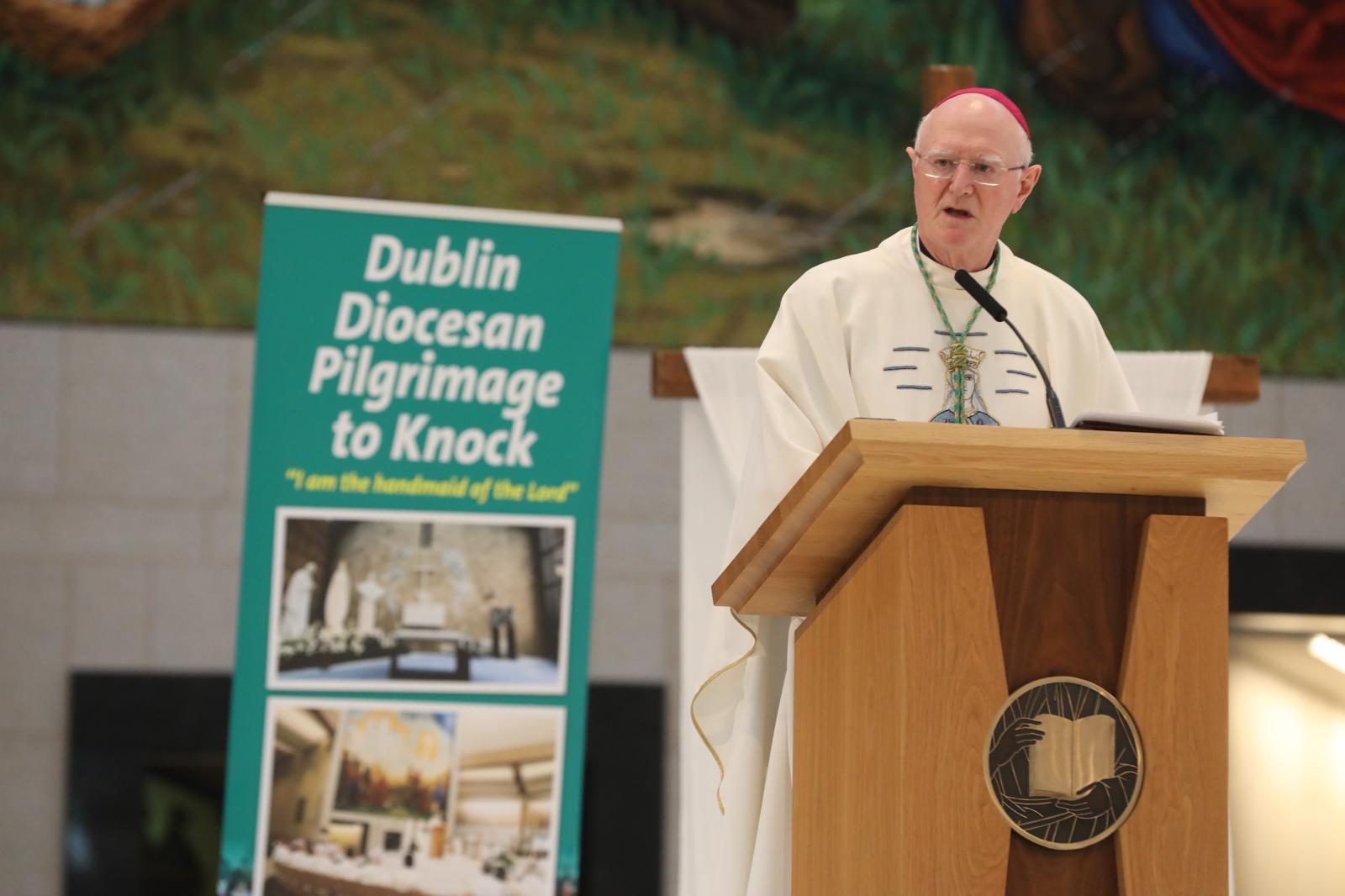
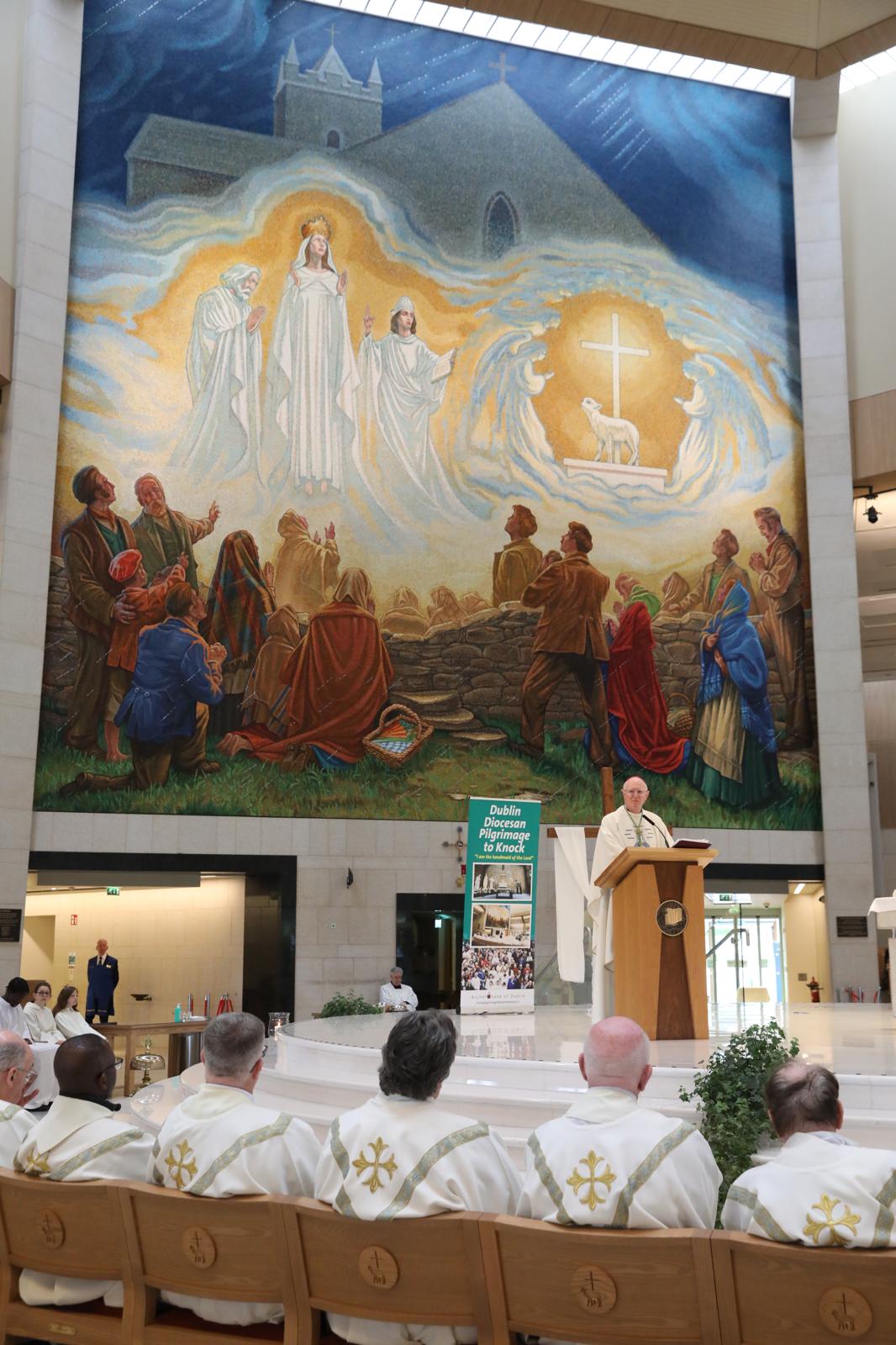
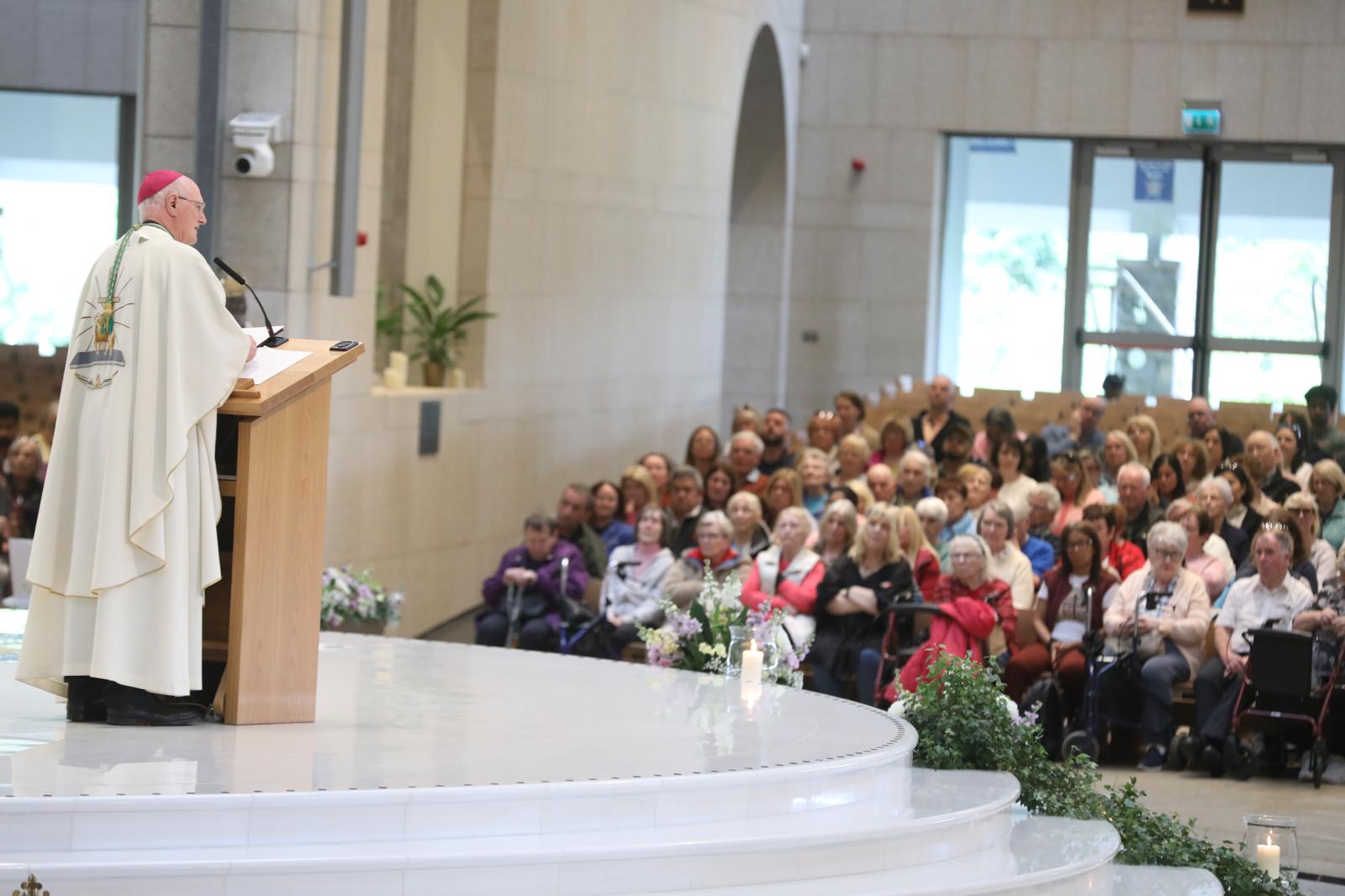
Homily of Archbishop Dermot Farrell
Mary Byrne O’Connell, Patrick Byrne, Patrick Hill, John Curry, and Bridget Trench are not names we know. These people were five of the 15 visionaries here at Knock in 1879. To say the least, they were very ordinary, not well known, not unlike Bernadette Soubirous at Lourdes, or Jacinta, Francisco, and Lucía, the three children to whom Our Lady appeared in Fatima. They certainly were not wealthy or influential, if anything they were the opposite.
The apparition here at Knock is silent. Something happened and we have to make sense of it.
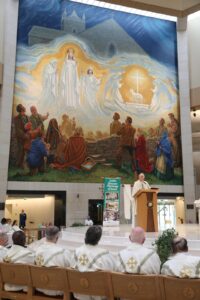
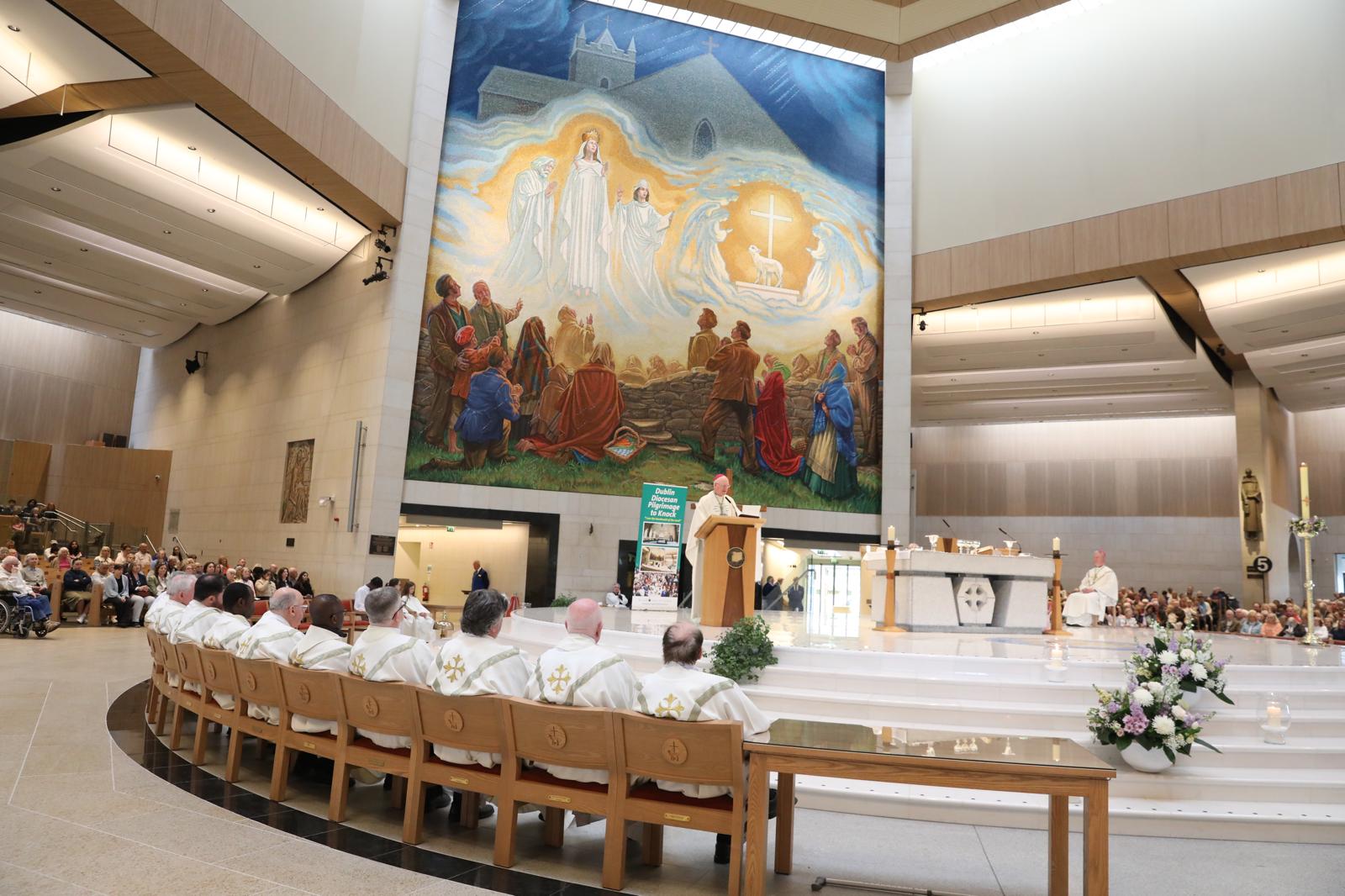
In Knock, we have an apparition to ordinary people—people like ourselves, and we have a silent apparition, a vision that we have to make sense of. In a very real sense, the apparition at Knock is a vision to the Church, to the people of God. The Church is the people God brings together in Christ. The Church is the people God gathered together in Christ, to whom God is close. This is the great gift of the Second Vatican Council, its great rediscovery: “God speaks to us as friends,” as the Council teaches (see Dei Verbum §2). Why do we celebrate the Mass in our own language today? Because our own language is the language of the people of God, the language of our own prayer, the language of our lives, the language of our pleas. Why do we celebrate this Mass around the altar? Because together we are the people of God, and our Lord is in our midst, and journeys with us, as together, we work out where our Lord is bringing us.
After the vision here at Knock had taken place, people and priests together had to work out what it was. It had to be determined whether it was an authentic vision. That was an important step. But, far more important, it had to be owned by the people of God. And Knock has been owned by the people. Today it is being owned by us: our presence here today is not only an expression of our faith, but it is also an expression of ownership. In our presence and prayer here today, the vision of Knock is bearing fruit; the Lord is at work among his people—the Lord is gathering his flock, leading us home (see John 10:3-4, 11; Isaiah 40:11; Ezekiel 34:11-16; Psalm 23:1-4).
It is not just in Knock or in places of pilgrimage that the Lord is gathering his people. The Lord is gathering his people everywhere; he is gathering them in Dublin. As we just heard in the Gospel of Mark, whose Feast we celebrate today, about the seed that grows in mystery, “the seed grows night and day, the sower knows not how” (see Mark 4:27).
A Church in Crisis—A Church that is Alive
The Kingdom of God is alive, and it is growing in ways we do not appreciate. As the parable says: “The kingdom of God is as if someone would scatter seed on the ground, and would sleep and rise night and day, and the seed would sprout and grow, he does not know.” (Mark 4:26–27)
You may say to me, “but the Church is falling down around our ears!” And the Church that we knew certainly is! You may say to me, “our churches are empty, very few are going to Mass,” and nobody will doubt that. You could point to 101 things to say that the Church in Ireland, and in Europe generally, is in crisis, and you would not be mistaken. But the Gospel itself asks us to see: God is at work among us. God is at work in all God’s creatures. The crisis is not a sign that the Church is in decline, but that the Church is alive. Pope Francis put it wonderfully: “the Church always has difficulties,” he said. The Church “is always in crisis, because she’s alive,” he pointed out, “living things go through crises. Only the dead don’t have crises.” (Video Message of the Pope’s Worldwide Prayer Network, August 3, 2021).
Our Church is alive! We are in crisis, but we are alive! “Only the dead don’t have crises.” In his wisdom and in the light of faith, Pope Francis could see clearly that it was in the nature of a crisis to reveal what was in people’s hearts. (see Austen Ivereigh, “A Time to Choose,” The Tablet, April 25, 2026, p4)
The crisis which we are living has many causes, but its call is clear. It is a call to re-discover our calling and our mission as the Body of Christ. Pope Leo put it like this a few days ago, “Mindful that the aim of mission is not [Church’s] own survival” but “the Church… [That is all of us, together are] called to live with confident courage, as a small flock bringing hope to all” (Letter of Pope Leo to the Cardinals, April 2026).
How that is to be done is something we have to work out together—“the small flock bringing hope to all”? Smallness is not the issue. Remember the mustard seed in today’s Gospel! Working together is the challenge. Weakness is not the issue. Remember that the power-conscious St Paul learned (and learned painfully) that the “weakness of God was stronger than human strength” (see 1 Cor 1:25). Weakness is not the issue: being a living member of the Body of Christ (see 1 Cor 12:27) is the issue. Every single person is a vital part of the Body of Christ. Every one of us has something to give, something that only we can give.
The Church is the Body of Christ, and Christ is alive among us and within us. He is calling us to be with each other in him. It is ordinary people he calls. I say again: the crisis in the Church is not a crisis of vocations, but a crisis of vocation! Together, we must work out how to live out our calling to follow Christ—our baptismal calling—in the Dublin of today. Together, we have to work out how, we share our suffering, how—together—we can carry our crosses (see Mark 8:34–25), but also how together we can discover and share “the joy of the Gospel”.
The visionaries at Knock had to work out what they had seen. In that, they were living out their vocation. They were being synodal, ever before the term was in use! Let us not confuse the label with the reality. The visionaries at Knock had to work out what they had seen. Together, with the priests and their bishop, those in the ministry of leadership, they had to work things out.
In our Church today, we have to let certain things go. There is loss in this, but also a liberation: letting go frees us up. The Holy Spirit is at work among us. This is what we mean by “synodality”. To use another image from St Mark, we are attached to old wine skins (2:22) which are no longer fit for purpose. The “new thing” (see Isa 43:18-19; Rev 21:5) God is creating cannot fit into old structures. Journeying together into the future, and this is the meaning of synodality, means making decisions together and not doing things or making decisions in isolation. All this involves a change in the style of how we are the Church, how our parishes and communities work. There are things we have to do, if we are effectively to proclaim “the Good News of God” (see Mark 1:14). We will have to recognise more profoundly our charisms, our gifts. And, as a recent Report on the Synod clearly underlines, we will certainly have to actively enable the participation of women in our one mission (see General Secretariat of the Synod, Final Report of Study Group No. 5 on Women’s Participation in the Life and Leadership of the Church).
What is at stake? At stake is the reality of our Christian vocation, and the credibility of our mission. Last Sunday, in Angola, Pope Leo named it forcefully,
“Today we need to look to the future with hope and to build the hope of the future. Do not be afraid to do so.“ (Homily, Kilamba, Angola, April 19, 2026)
“Do not be afraid!” The first words of Jesus to those to whom he is close.
Our Lady of Knock, pray for us.
Saint Mark, pray for us.
Saint John XXIII, Saint Paul VI, Saint John Paul II, pray for us.
+Dermot Farrell
Archbishop of Dublin
Readings:
1 Cor 12:12-27
Psalm 88(89):2-3, 6-7, 16-17
Mark 4:26-34
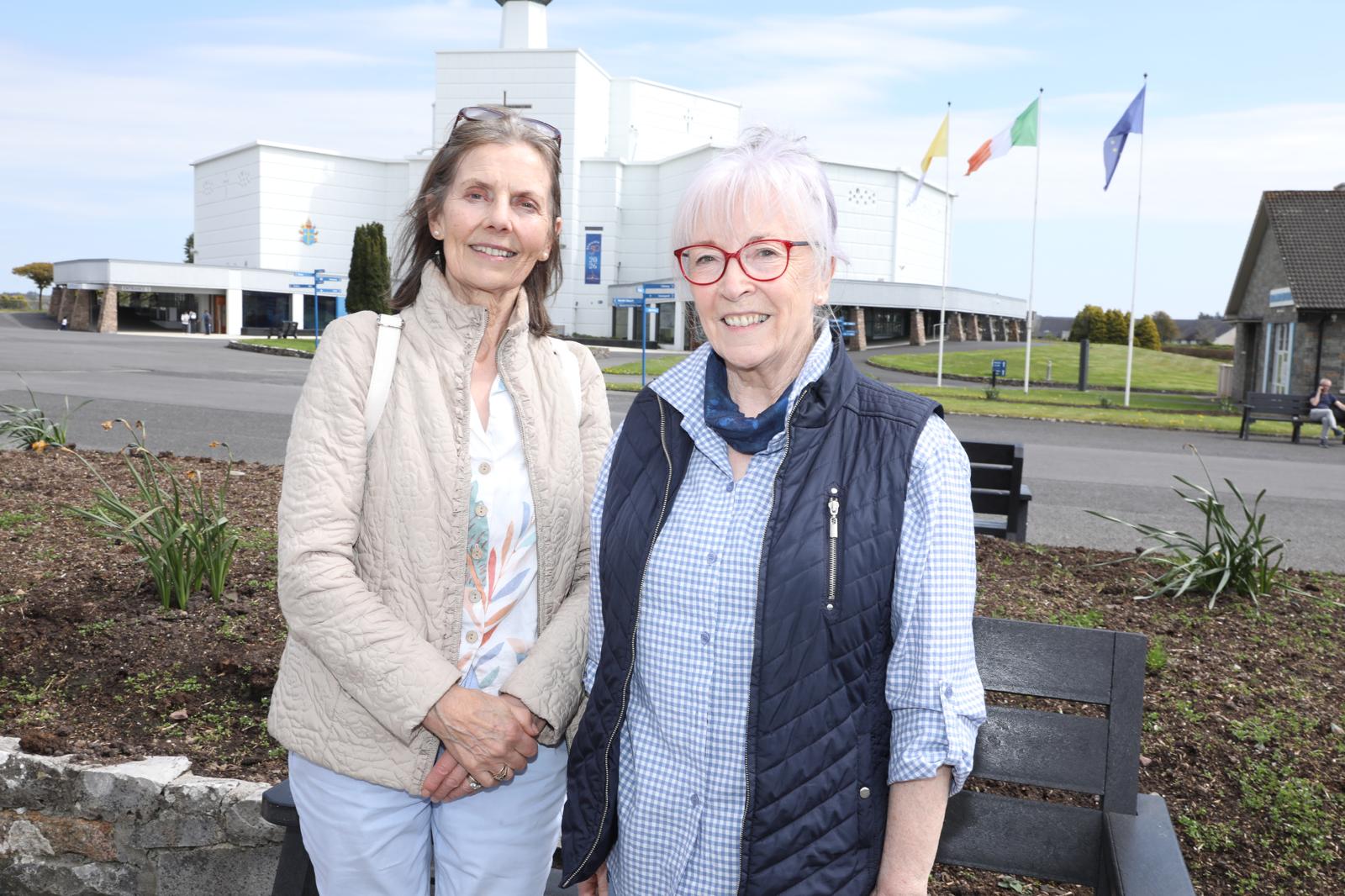
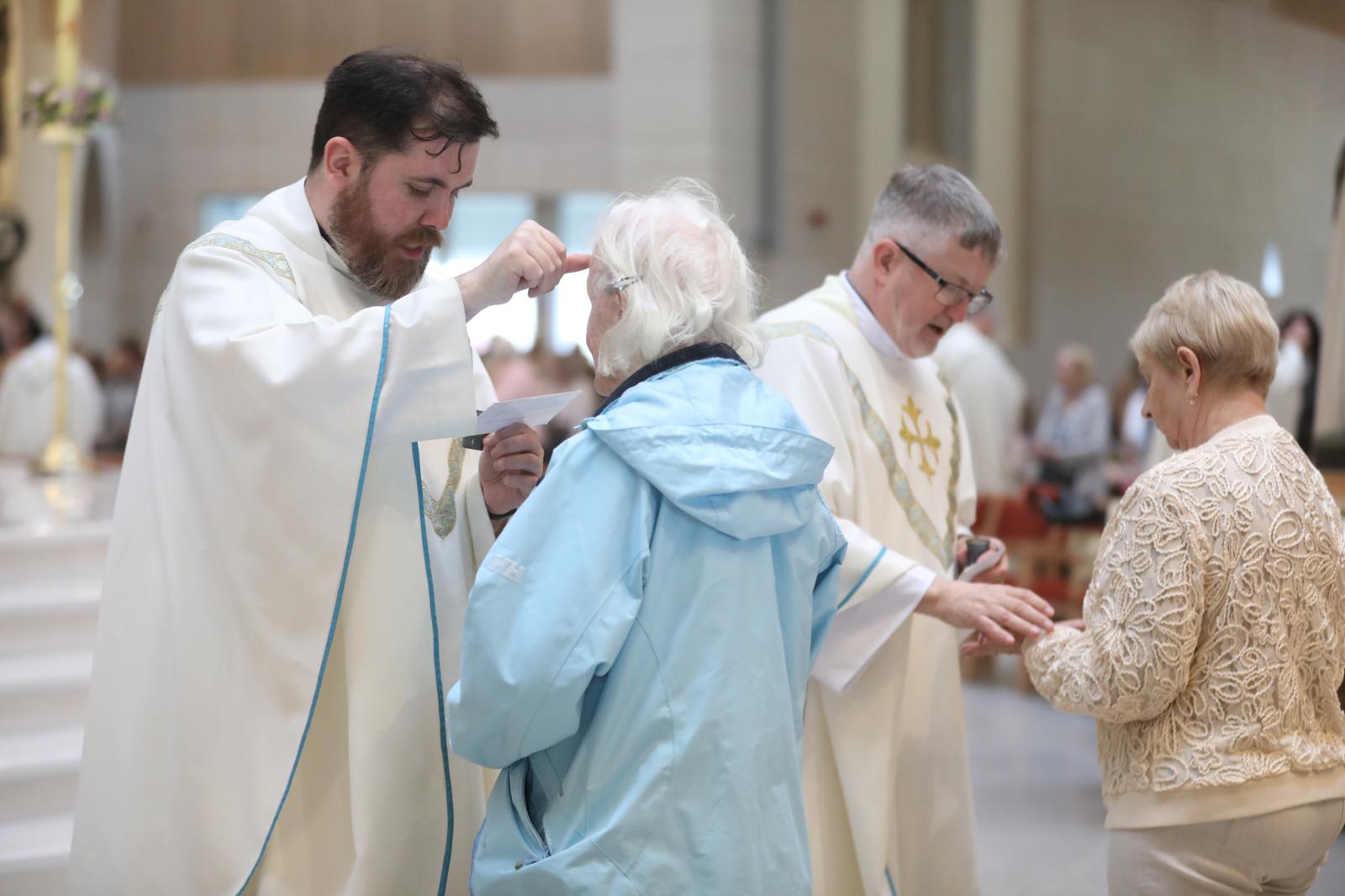
Photos by John McElroy
 Donate
 Volunteer
 Mass Times